Quartz vs Automatic: Which Should You Buy?
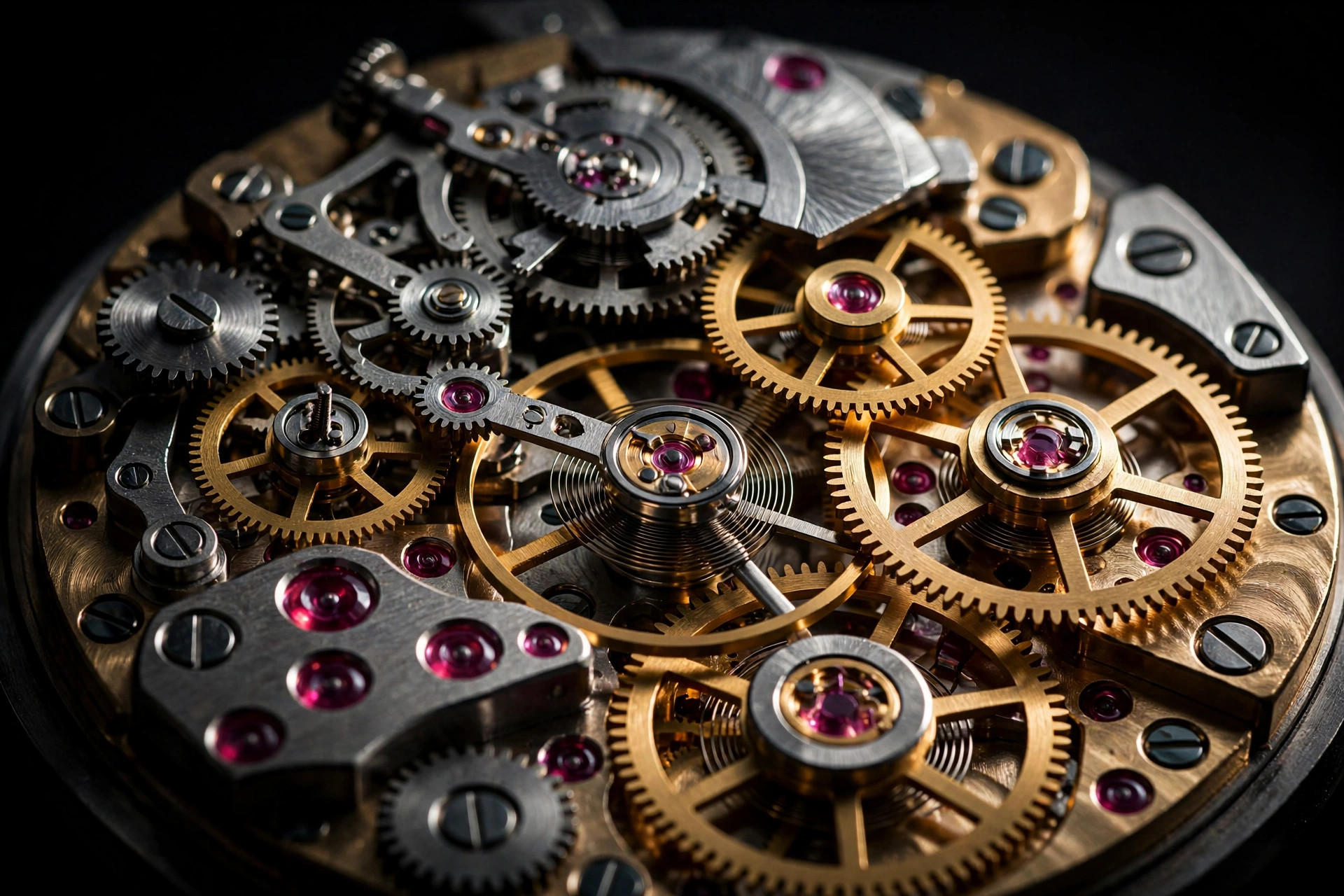
Nearly every buying decision in watches comes down to this question first. Quartz and automatic are the two mainstream ways a watch keeps time, and they represent a genuine trade-off: accuracy and convenience on one side, craftsmanship and character on the other. Here's how they actually differ, without the snobbery you'll find in most forums.
How quartz works
A quartz watch is powered by a battery. Electricity makes a tiny quartz crystal vibrate at a precise frequency (32,768 times per second), and the watch counts those vibrations to keep time. A motor then steps the hands forward once per second — which is why quartz seconds hands "tick" rather than sweep.
Variants worth knowing:
- Standard quartz — a battery lasting roughly 2–5 years depending on the watch.
- Solar quartz (e.g. Citizen Eco-Drive, Casio Tough Solar) — light charges a rechargeable cell; no battery swaps for many years.
- Radio-controlled / atomic — syncs nightly with atomic-clock radio signals for near-perfect accuracy where signals reach.
How automatic works
An automatic is a mechanical watch: a tiny machine of gears and springs, with no battery and no electronics. A weighted rotor spins as your wrist moves, winding the mainspring; the spring's stored energy is released through the gear train to move the hands. Take it off for a day or two and it winds down and stops — that's normal.
"Automatic" just means self-winding. The broader category is mechanical, which also includes hand-wound watches you wind with the crown each day. Most affordable automatics (Seiko, Orient) can also be hand-wound on modern movements, but check the specific reference.
Accuracy: no contest
Quartz wins, and it's not close. A decent quartz watch is typically accurate to within about ±15 seconds per month. A decent affordable automatic is typically within about ±15–25 seconds per day — which compounds to several minutes per month. Enthusiasts often regulate or simply reset their automatics weekly; it becomes part of the ritual. If "I want it to just be right" is your priority, buy quartz.
Maintenance: battery vs servicing
| Quartz | Automatic | |
|---|---|---|
| Routine upkeep | Battery swap every 2–5 years (cheap; solar models go much longer) | No battery, but needs wearing or a winder to keep running |
| Major service | Rarely needed; often cheaper to replace a very cheap quartz watch than service it | Full service every 5–10 years: disassembly, cleaning, oiling — typically $100+ and rising with the watch's value |
| Failure modes | Dead battery; leaking batteries can damage the movement if ignored for years | Magnetization (fixable), dried lubricants, worn parts over decades |
Cost of ownership
Quartz is cheaper to own, full stop. A quartz watch asks for a $10–20 battery every few years. An automatic asks for nothing day-to-day but eventually wants a proper service that can cost a meaningful fraction of the watch's price — which is why servicing a $150 automatic sometimes doesn't make economic sense, while servicing a $2,000 one does. Solar quartz (Eco-Drive and similar) is the cheapest of all to run: essentially zero maintenance for a decade or more.
Lifestyle fit
- One watch, worn daily: either works. An automatic stays wound; a quartz just runs.
- Rotation of several watches: quartz (especially solar) is far more convenient — every watch is running when you pick it up. Automatics in a rotation need resetting, unless you buy a watch winder.
- Hard use / sports / water: quartz, particularly G-Shock-style or solar divers, takes abuse better and costs less to replace if something goes wrong.
- You love machines: only an automatic (or hand-wound) scratches that itch — the sweeping seconds hand and visible movement are the whole point.
Which should you choose?
A simple framework:
- Choose quartz if you value accuracy, low maintenance, and grab-and-go convenience — or if the watch will face hard use. This covers most first-time buyers and most daily wearers.
- Choose automatic if you're drawn to the craftsmanship, enjoy the ritual of a mechanical object, and accept lower accuracy and eventual service costs as the price of admission.
- When in doubt, start quartz. A great quartz watch (see our under-$200 picks) costs little, teaches you what size and style you like, and will still be useful when you add an automatic later.
There's no wrong answer here — only a wrong answer for your wrist and your habits. The forums will argue forever; you just need the one that fits your life.
Where to buy
Whichever movement you choose, buy from authorized dealers or reputable grey-market sellers with clear return policies, and compare live prices across a couple of retailers. When you're ready:
Buying through our links may earn us a commission at no cost to you. See our full disclosure.
Next steps: browse the best watches under $200 or under $500, or read our first watch guide for sizing and buying safely.